WHAT IS SQL?

SQL stands for Structured Query Language. It is a standard programming language used for managing relational databases. SQL provides a set of commands and syntax for defining, manipulating, and querying data in a database.
Here are some key points about SQL:
Database Management System (DBMS): SQL is used with a database management system to interact with databases. Some popular DBMSs that support SQL include MySQL, Oracle Database, Microsoft SQL Server, and PostgreSQL.
Data Definition Language (DDL): SQL includes commands for defining and managing the structure of databases and database objects. DDL commands are used to create, alter, and delete database schemas, tables, indexes, and other objects.
Data Manipulation Language (DML): SQL also includes commands for manipulating data within a database. DML commands are used to insert, update, delete, and retrieve data from database tables.
Querying and Retrieving Data: SQL provides powerful capabilities for querying and retrieving data from databases. The SELECT statement is used to specify the data to be retrieved and the conditions for filtering the data.
Data Integrity and Constraints: SQL allows the definition of constraints to ensure data integrity within a database. Constraints enforce rules on the data, such as enforcing unique values, referential integrity, and data type constraints.
Joins and Relationships: SQL supports joining tables based on common columns to retrieve data from multiple tables. This enables the establishment and management of relationships between tables.
Transaction Management: SQL includes commands for managing transactions, which are sets of database operations that are treated as a single unit of work. Transactions ensure data consistency and integrity by providing the ability to commit or roll back a group of changes.
SQL has become the de facto standard language for managing relational databases and is widely used in various industries for data manipulation, analysis, and reporting.
Additional information about SQL:
SQL Standards: SQL has evolved over the years, and different versions and implementations of SQL exist. The SQL standard is maintained by the International Organization for Standardization (ISO) and the American National Standards Institute (ANSI). The standard defines the syntax, semantics, and features of the language. However, most database systems extend the standard SQL with their own proprietary features and functionalities.
Sublanguages: SQL can be categorized into different sublanguages based on their purpose:
- Data Definition Language (DDL): This sublanguage is used to define and manage the structure of databases and database objects. DDL commands include CREATE, ALTER, and DROP statements.
- Data Manipulation Language (DML): This sublanguage is used for manipulating and retrieving data within a database. DML commands include SELECT, INSERT, UPDATE, and DELETE statements.
- Data Control Language (DCL): This sublanguage is used to control the access and permissions on the database objects. DCL commands include GRANT and REVOKE statements.
- Transaction Control Language (TCL): This sublanguage is used to manage transactions in a database. TCL commands include COMMIT, ROLLBACK, and SAVEPOINT statements.
4. Database Queries: SQL's primary strength lies in its ability to query databases to retrieve specific information. The SELECT statement is used for querying and retrieving data. It allows you to specify which columns to include in the result set, apply filtering conditions using the WHERE clause, sort data using the ORDER BY clause, and perform aggregate functions such as SUM, COUNT, AVG, etc.
5. Data Modification: SQL provides commands for modifying data within a database. The INSERT statement is used to add new rows to a table. The UPDATE statement is used to modify existing data in a table. The DELETE statement is used to remove data from a table.
6. Joins and Relationships: SQL supports different types of joins, such as INNER JOIN, LEFT JOIN, RIGHT JOIN, and FULL JOIN, to combine data from multiple tables based on common columns. Joins allow you to establish relationships between tables and retrieve related data.
7. Indexing: SQL supports the creation of indexes on database tables. Indexes are data structures that improve the performance of querying by allowing faster data retrieval based on specific columns.
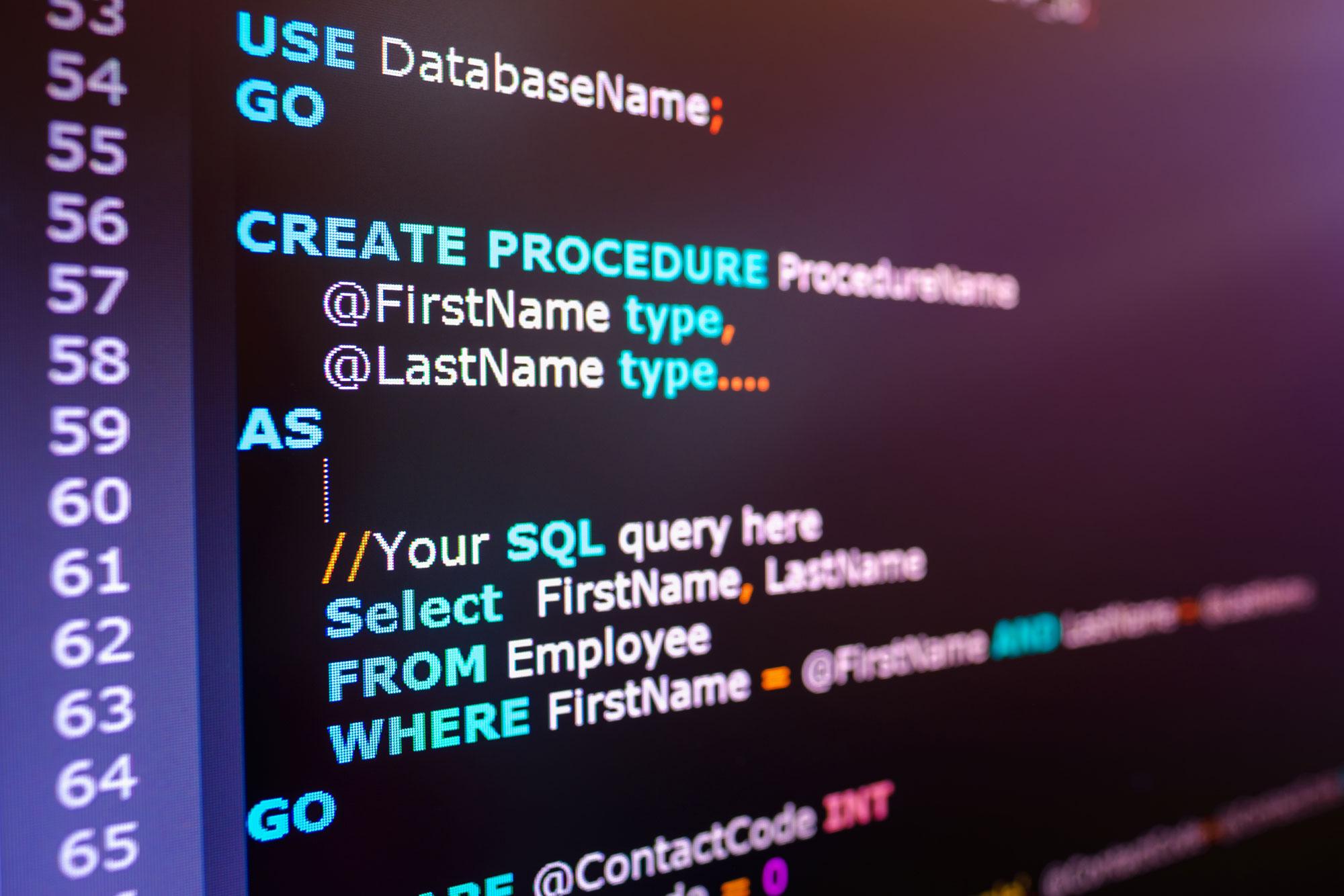
8. Views and Stored Procedures: SQL allows the creation of views, which are virtual tables derived from the result of a query. Views provide a way to simplify complex queries and present data in a customized format. SQL also supports the creation of stored procedures, which are pre-compiled sets of SQL statements that can be executed with a single command. Stored procedures are used to encapsulate business logic and perform repetitive tasks.
9. SQL in Application Development: SQL is commonly used in application development to interact with databases. Many programming languages provide libraries and APIs that allow developers to execute SQL statements from their code. This integration enables the development of dynamic and data-driven applications.
SQL is a powerful and versatile language that plays a crucial role in managing and manipulating relational databases. Its widespread adoption and extensive features make it an essential tool for working with structured data.
Comments
Post a Comment